Billy wallson
Senior DirectorToasting butter until it smells like hazelnuts transforms every layer of a cinnamon roll, from the dough to the filling to the icing.
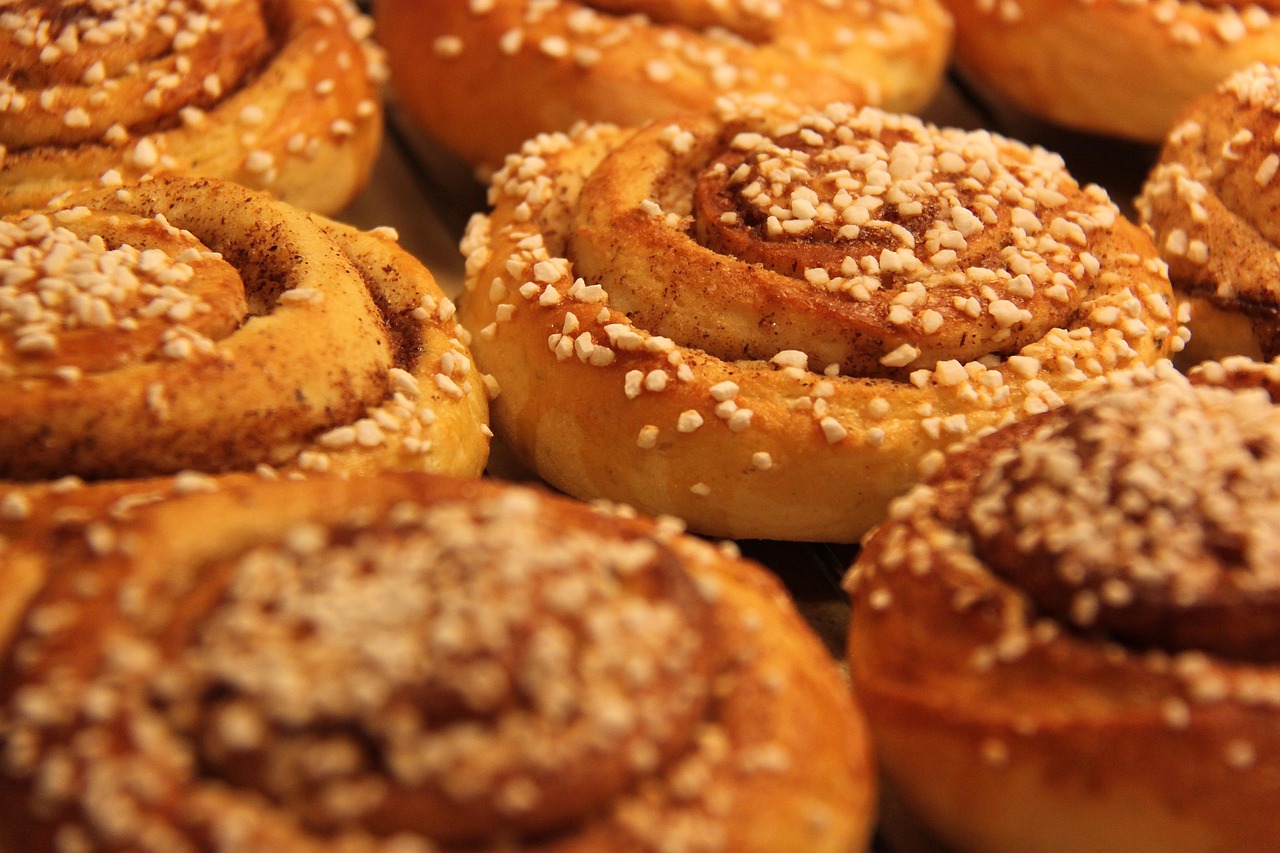
Ask someone to picture a cinnamon roll and they will probably describe something tall, gooey, and glazed, the kind that requires a fork and a nap afterward. Travel north, though, and the cinnamon bun changes shape and character entirely. In Scandinavia, the kanelbulle is flatter, cardamom-scented, and often topped with pearl sugar instead of icing. It is the kind of bun you eat with coffee on a specific afternoon break, and once you bake a batch at home, you start to understand why the ritual exists.
Sweden is the most famous home of the kanelbulle, and the national devotion is real enough that there is an official day for it in early October. The dough is enriched but not overly sweet, and the defining spice is cardamom, ground fresh and added to the flour. The filling is a simple paste of butter, sugar, and cinnamon, spread thin and rolled into a log, then cut and baked until the edges are just golden. The result is chewier and less dessert-like than its American cousin, which is exactly the point.
Denmark brings its own pastry tradition to the spiced bun, and the result often leans toward laminated dough. A Danish kanelsnegl, or cinnamon snail, may be built from layers of butter-folded dough, which gives it a flaky, croissant-like crumb rather than a soft bread crumb. The swirl is tighter, the shape rounder, and the glaze, when it appears at all, is thin and subtle. In some bakeries you will find it topped with a small dollop of remonce, a butter and sugar paste that melts into the coils as it bakes.
Norway contributes its own beloved version, often called skillingsboller, which translates roughly to shilling buns. These are sold in Bergen and beyond, frequently larger and a bit more rustic than the Swedish bun, with a generous dusting of cinnamon sugar and sometimes chopped nuts. Norwegian bakers often use a straight dough rather than a pre-ferment, which makes them approachable for a weekend morning. The cardamom is still there, but the sweetness tends to be dialed back, letting the butter and spice carry the flavor.
To bake in this style, start by adjusting your expectations rather than your equipment. Use a dough that is soft but not sticky, and resist the urge to overfill it. Scandinavian buns are about balance, so a thin layer of cinnamon butter goes further than a thick one. If you can find pearl sugar, it is worth seeking out, because the crunchy nuggets on top are part of the experience. If not, a light sprinkle of demerara sugar works as a stand-in.
Cardamom is the non-negotiable element. Buy whole green pods and grind the seeds yourself if you can, because pre-ground cardamom loses its punch quickly. Add it to the dry ingredients so it distributes evenly, and taste the dough before you bake it. You want the spice to be present but not aggressive, a warm background note rather than the headline.
Finally, adopt the ritual, not just the recipe. These buns are meant to be eaten the day they are baked, ideally with strong coffee and a little time set aside in the afternoon. Bake a batch on a slow weekend, invite someone over, and let the smell of cardamom and cinnamon do the rest. The tradition travels well.

Overnight proofing transforms good cinnamon rolls into unforgettable ones, and here is exactly how to do it.

The topping you choose changes everything about how a cinnamon roll tastes, and each option has its moment.
A small, well-chosen spice collection opens the door to cozy pastries all season long.

With the right flour blend and a gentle touch, gluten-free dough can produce soft, spiraled rolls worth waking up for.

Toasting butter until it smells like hazelnuts transforms every layer of a cinnamon roll, from the dough to the filling to the icing.

A scaled-down recipe that makes four rolls, not four dozen, so you can enjoy a fresh bake without a week of leftovers.

Copyright © 2026 Cinnamon Circle. All Rights Reserved.


Roseanne Williams
Sep 9, 2026 ReplySweden, Denmark, and Norway each put their own spin on the spiced bun, and each one is worth baking at home.